Influencer Marketing: Key Terms and How to Plan a Campaign

Influencer marketing has been one of the most important topics for marketers for the last six or seven years. This growing channel keeps brands interested. In this post I explain what influencer marketing is and why it matters, then walk through how these campaigns are run, with examples. To make the process easier to follow, I’ve also covered the types of influencers and the key analytics terms.
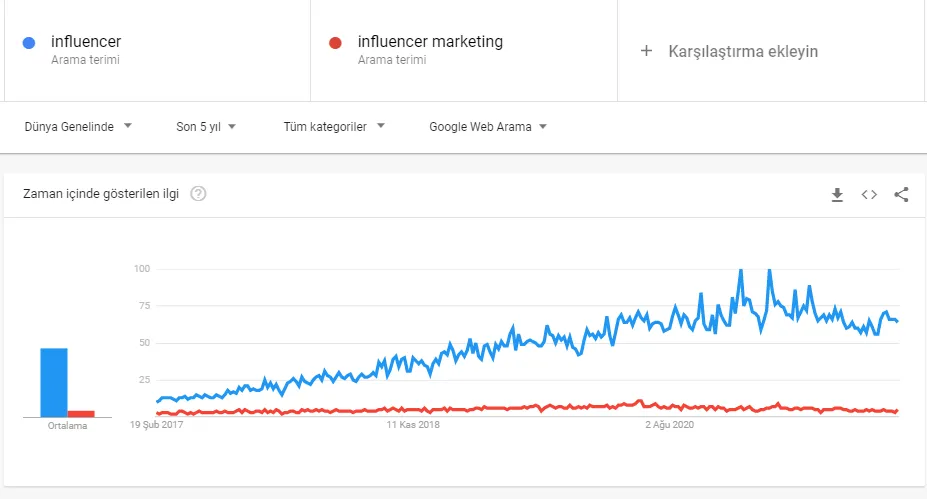
Below is Google Trends data on interest in the keywords “influencer” and “influencer marketing”. Interest seems to have dipped somewhat in recent years, perhaps because of budgets cut during the pandemic.
What is influencer marketing?
Influencers are people or organisations with the power to influence the behaviour of a group of people on various topics. Influencer marketing is a product placement programme built on partnerships with these influential people. You can think of it as a subcategory of social media marketing.
Key influencer terms
We’ve defined an influencer above, but it’s worth separating influencers from people who are simply popular. A popular account is one with a lot of followers. For example, a humour page that constantly posts crude content might be very popular, but it has no area of expertise and its bad reputation keeps brands away. Calling that page an influencer would be wrong.
These are the main types of influencers:
Macro influencers
Influencers with a well-known online presence who speak to large audiences. Influencers with more than 100,000 organic followers fall into this category. They suit high-budget campaigns.
Micro influencers
With 1,000 to 100,000 followers, micro influencers are experts in their field who reach a more clearly defined, specific audience. Their engagement rates are usually stronger than macro influencers’, and they cost much less.
Nano influencers
Nano influencers are accounts with few followers and very high engagement. They have fewer than 1,000 followers and are followed by niche, local communities.
There are a few variables to know when working with influencers. Whatever kind of campaign you run, knowing these terms will help you set your KPIs.
Expertise: Does your content fit the influencer’s audience?
Demographics: Is your product’s audience similar to the influencer’s followers?
Reach: Is the influencer talking to your audience on the same channel?
Notoriety: Is this influencer well liked? Is there negative press about them?
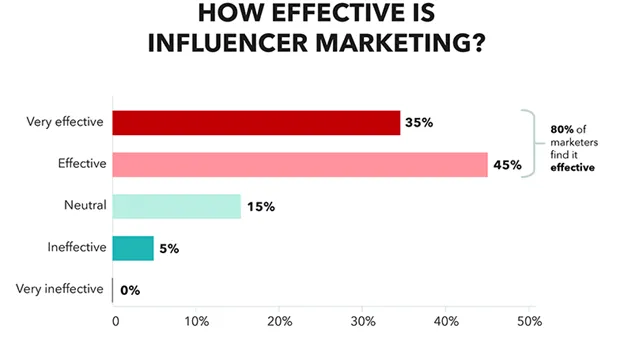
Why influencer marketing matters
Interest in influencers and influencer marketing has grown globally in recent years.
- Most marketers say leads from influencers are higher quality.
- Most social media users follow at least one influencer.
- 49% of consumers rely on influencers when making decisions.
How do you find influencers?
Listen
Set up accounts to follow specific hashtags, keywords, topics and celebrities. Google Alerts or X (Twitter) work well for this. That way you’ll see who consistently stands out with organic engagement on those topics.
LinkedIn keeps growing as a social network and lets you reach more professional audiences. Here you’ll find opinion leaders, thought leaders and storytellers with large followings. Of course, these people aren’t always open to sponsorships and may choose other ways to turn their influence into income.
Social media
Naturally, the most likely place to find the subject of a concept born on social media is social media itself. Create accounts on Facebook, Instagram, TikTok or Snapchat and look at which influencers people who match your customer profile follow.
Other platforms
There are plenty of agencies and websites that help you find influencers, globally or locally. You can use them too, but be careful: the chance of running into fake influencers, or ones who’ve bought followers, is fairly high on these platforms.
Planning an influencer marketing campaign
There are some important things to consider when working with influencers. You can break the process into six steps.
1. Research
The most important stage of most processes is the research you do at the start, and influencer campaigns are no different. Put your written target audience definition in front of you and build a customer profile. Look closely at what content your profile likes, which hashtags they use, and who they follow and engage with. That’s how you’ll find the most relevant influencers for you.
Another tip for the research stage: reach out to people who are already talking about your brand. Partner with them, or send them gifts to earn natural posts and low-budget engagement.
2. Outreach
Once you have candidates, contact the influencers or their managers. Finding intermediaries who can strengthen the connection can be a catalyst at this stage. After the first contact, invite them to a call to discuss the details. Here’s a template you can send directly:
Introduce yourself.
My team and I have been following you and we love your content. We believe your content resonates with our audience and your profile aligns with our brand values.
We are a (what you sell or the service you offer) company operating in (your location). Since you’re also into (what you and the influencer have in common), I wanted to reach out. Let’s have a chat if you’re open to a collaboration.
Let me know how that sounds, and don’t hesitate to call me on the number below.
If you’ll be sending lots of emails, preparing them in advance and keeping your intro and follow-up emails ready will save you a lot of time.
3. Campaign budget and goals
Prepare a detailed campaign plan and timeline. If you’re working with several influencers in one campaign, or you’ll keep promoting the campaign yourself at the same time, using a shared hashtag is strongly recommended.
There are some criteria to consider on budget. Some influencers work at a fixed rate, and you may need to negotiate based on what you think is reasonable. The most important basis for these negotiations is the quality of the leads you’ll get. Compare them with leads from your other channels on metrics like cost per click, cost per lead and cost per sale. Of course, expect to pay more than usual, because influencers have a unique community and a specific following.
4. Tracking
Review the campaign’s results against the KPIs you set. To track them, share a unique URL with the influencer. URL shorteners like bit.ly let you track users coming from a specific link, and CRM tools like HubSpot offer similar features.
5. Payment
As we said when talking about budget, many influencers set their own rates. And since results aren’t guaranteed, it can be seen as a risky investment. On the other hand, you can decide who to work with and how, build package deals and collect alternative offers to find the option that best fits your budget.

For example, at the time of writing, Danla Bilic, Turkey’s biggest macro influencer, asked around 100,000 lira for a single Instagram post and only worked with brands she approved of. Micro influencers charge much less than macro influencers. Instagram rates can be as low as a few hundred lira depending on the quality of the followers, but since ego can come into play, an influencer may also value themselves higher. With nano influencers, you can work with very modest amounts.
Getting promotion in exchange for free products is also a common strategy, but without an agreement in place, remember the influencer might post negative comments about your product.
6. Analysis and reporting
This is one of the most important steps. As we said, results aren’t guaranteed, so you need to analyse the campaign afterwards and compare the value with your other channels. These metrics can help:
Engagement
Likes, shares, comments and other direct interest in the post, which varies by platform. This data is easy to get and you can check it yourself any time.
Impressions
How many times the content was viewed. You’ll need to ask the influencer for this.
Reach
Another number you can ask the influencer for. It shows how many unique people your post could potentially reach.
Results
How many people took the action you wanted as a result of the campaign. You can read this through the unique links mentioned above.
Becoming an influencer
Becoming an influencer is the dream of many people who spend a lot of time on social media, because they hope to earn money from something they already enjoy. People who play a lot of games start streaming in the hope of earning from it. They can succeed, of course, but the first thing you need to become an influencer is to be good at something. That can mean knowing a lot about a topic or being great at doing something. An influencer isn’t just someone with lots of followers. What sets an influencer apart is that all their followers share a common interest. That’s what makes you valuable to brands.
For example, a page with 900 followers that you created for women who do yoga in your neighbourhood can count as a nano influencer. If you chase the opportunities, you can run events with brands, build references and earn money while growing your page.
Of course, some people get famous and make money on social media with all kinds of activities and content, but they quickly lose value for brands because their reputation has been damaged.
The main sources I used:
- The Ultimate Guide to Influencer Marketing by HubSpot
- Influencer Marketing for Brands by Aron Levin
- How to Build a Successful Influencer Marketing Program by Influencer Marketing Hub