How to Use Memes in Marketing: A Complete Guide for Boomers
Memes are taking over the world, but businesses ignore them. The biggest reason is that businesses can’t keep up with how fast memes change.
To me, internet memes are the biggest social phenomenon of the internet age after the internet itself. Memes are already part of our lives, so understanding them matters if you want to communicate well with the new generation.
So what is a meme and where did memes come from? In this post I explain memes using some of the most successful examples from the business world.
A note to the reader:
Much of what you’ll read here was written with a specific audience in mind. None of it is absolute truth, and the success of this kind of content depends entirely on how well you know your audience and on the people who make it.
A few terms first:
Relatable content: content people can connect with because they’ve had similar experiences.
Inside joke: a joke that means nothing to people outside a group.
Meme: a cultural internet concept that spreads fast.
Hype: excitement and eagerness about something.
What is a meme?
My definition:
“Memes are inside jokes between internet communities.”
Patrick Davison defines internet memes like this:
Internet memes are pieces of culture, usually jokes, which gain influence through online transmission.
There’s no single definition, because memes can be used in so many ways. Often they don’t mean anything, and sometimes they’re not even funny. They can be adapted to anything, they’re absurd and full of irony. A meme can be a screenshot, a word, or even a single letter.
A short history of memes
It all started when Richard Dawkins coined the word “meme” in his book The Selfish Gene. Dawkins used it to describe how ideas spread and change across generations.
Memes started spreading in the 90s. They were sent by email, shared on forums and even printed out. They became really popular in the 2000s as social platforms grew. With YouTube’s launch in 2005, they moved into video. Memes like Rickrolling and the Harlem Shake swept the world and everyone loved them. The Harlem Shake was even popular in Turkey, where people happily filmed videos without ever asking why. When social networks like Twitter and Facebook arrived, other formats like GIFs became meme tools too. Even the stickers you send on WhatsApp or Telegram can count as memes.
“What a gene is to a physical trait, a meme is to an idea.”
Reddit, 9GAG, 4chan, Tumblr, X, Instagram and Facebook: every kind of social site is a place to share memes.
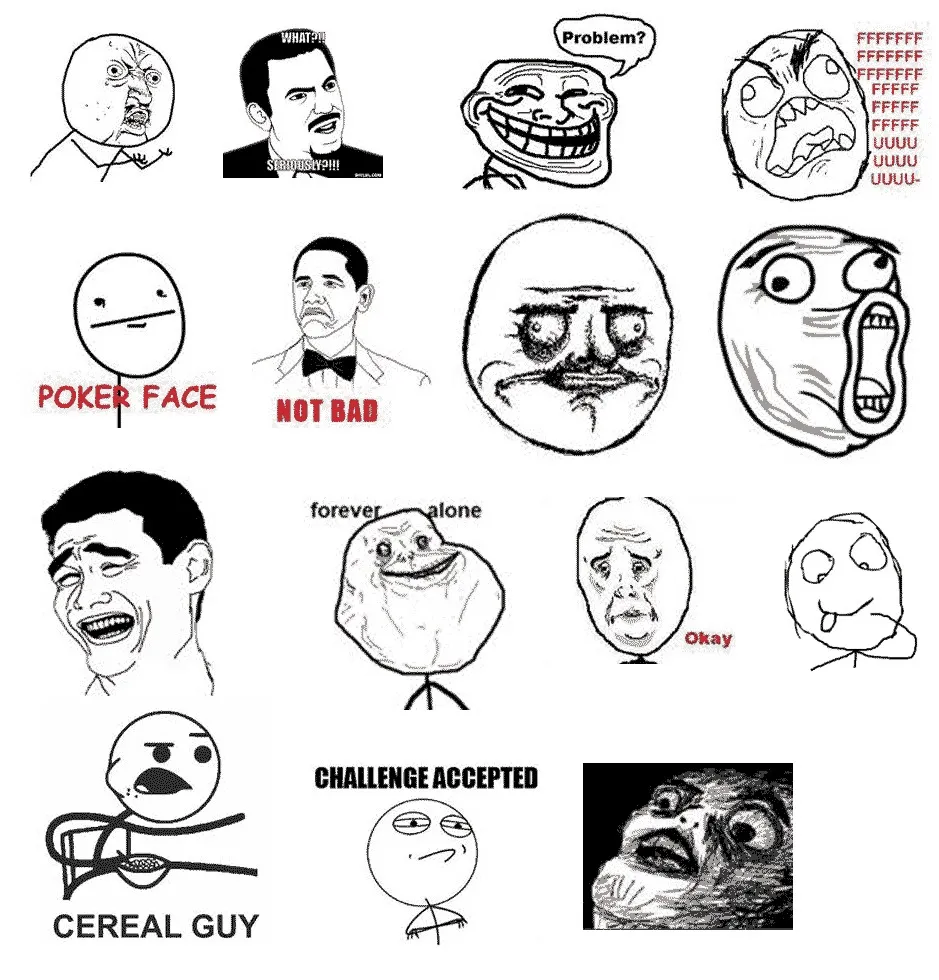
Below are some of the memes that helped make memes popular on these platforms. They usually represented a feeling. They’ve since been replaced and are rarely used today.
Why do people love memes?
- They’re a defence against the surrealness of life
- They’re easy to consume
- They’re easy to make
- They’re about things people love
- They make people feel less alone
- They make people feel smart
- They’re social
They’re a defence against the surrealness of life, and this is the most important one. The main reason young people love memes is that they’ve developed as a collective defence mechanism against the surreal and depressing things happening in our world.
They’re easy to consume, because access to the internet and social media is so easy. Of course, that can also make it hard to get off social media.
They’re easy to make, because anyone can make a meme. Can’t use Photoshop? Use Paint. No Paint? There are online tools. Not even that? You can make one with just text.

They’re about things people love, because people adapt memes to their own lives. Someone might combine a meme about surprise with a shocked scene from their favourite show. Or turn a character from their favourite comic into a meme about hypocrisy.
They make people feel less alone, because they’re so easy to share and they make you feel you’ve found common ground. Memes often express a mood, so seeing thousands of people feeling the same thing at the same time makes you feel less alone. Many memes are also highly relatable.
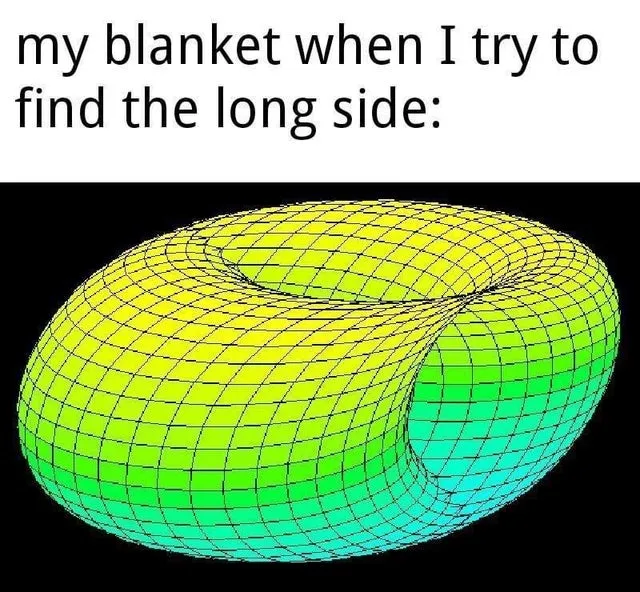
They make people feel smart, because some memes contain references that need a certain amount of knowledge or cultural background to get.
They’re social, because we send memes to our friends and share them on our profiles.
Using memes in marketing
This clip from the series The Boys shows where memes sit in today’s marketing. The show is set in a fantasy world, and the scene is about how superheroes’ PR should be run.
“Emotions sell, outrage sells. You’ve got fans, I’ve got soldiers!”
Using memes in marketing communications is controversial. They’re often used for guerrilla and viral marketing, but because they’re hard to understand and execute, the payoff isn’t always worth the risk. Some marketers believe memes hurt brand perception and credibility.
These days we often hear about “memetic marketing”. Internet memes are cheap to make and make your brand look on-trend, which can add appeal. If you’re a creative brand, your audience is young, and your brand personality is witty or provocative, memes can work for you.
Interest in memes in Turkey has been growing steadily, as the chart below shows.
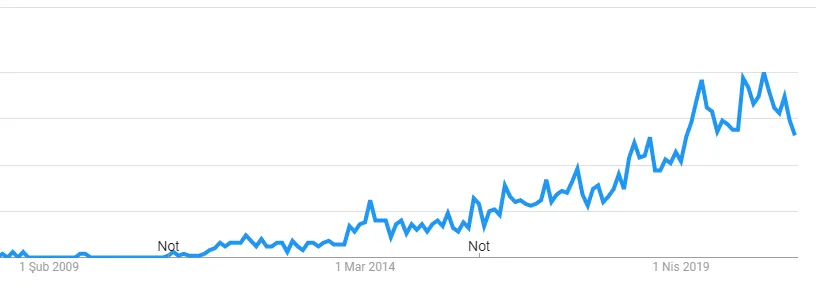
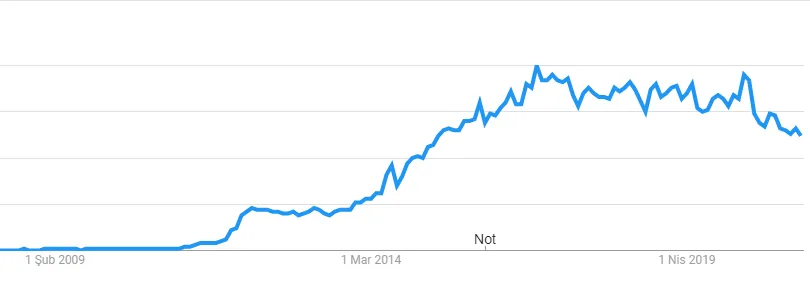
Globally, interest seems to have dropped in recent years. One likely reason is that people already follow this kind of content on their social accounts, so they don’t search for it as much.
If you’re adding memes to your marketing strategy, the most important decision is whether to post them on your own channels or through popular pages. The smartest move is to find expert partners and work with influencers or pages whose followers match your audience.
Below is an example of a meme you could run through another channel. It may not be an ad, but it’s definitely an effective way to promote Osram’s remote-controlled light bulb.
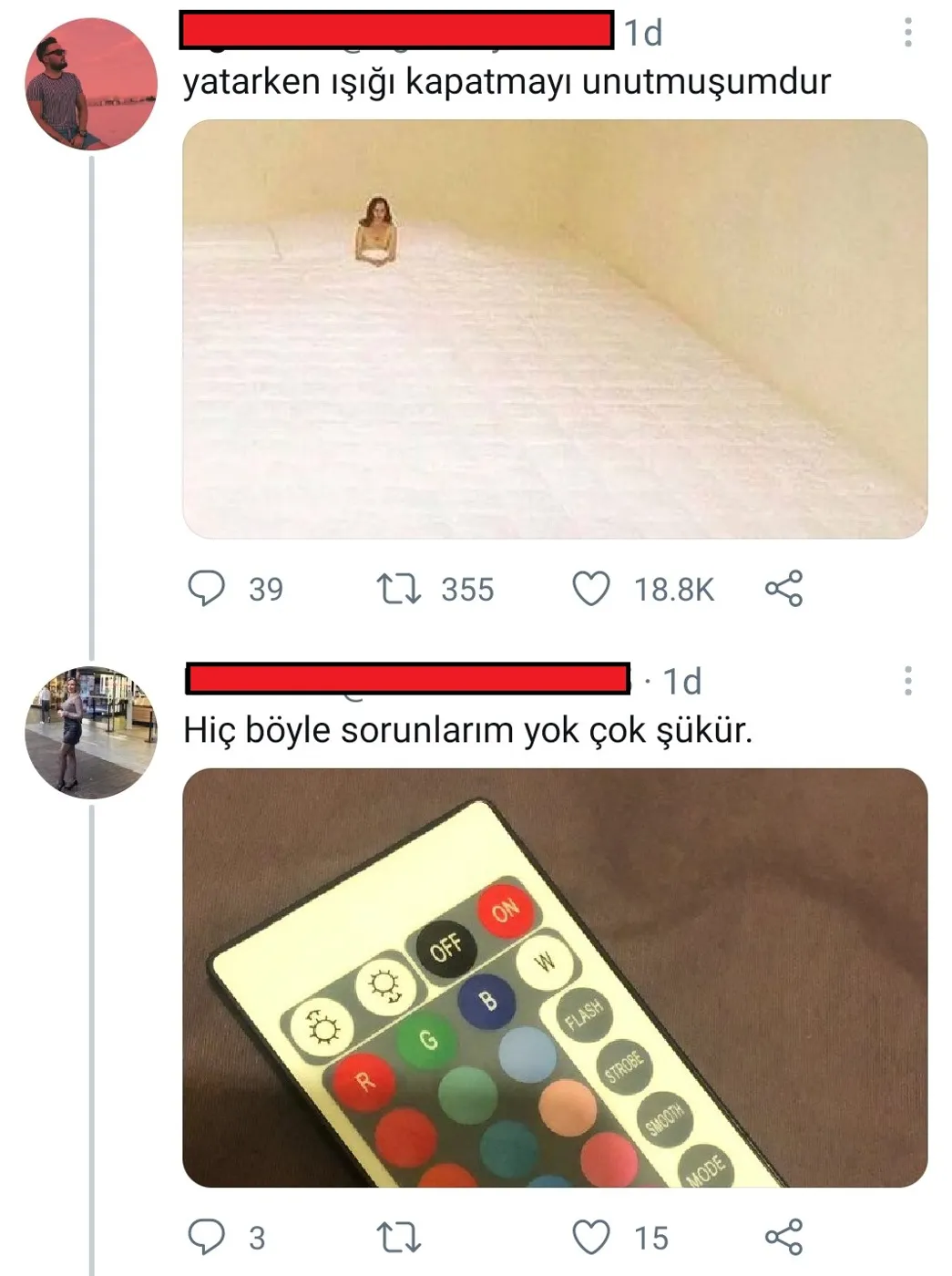
If you want to make memes that represent your brand, I’d suggest focusing on the problems you solve. Find visuals that show your customers’ problems in an exaggerated, ironic or sarcastic way, and you can create product promotions that might go viral. I wouldn’t recommend putting your product or brand elements directly into these memes.
It’s worth noting that memes are a double-edged sword and can backfire very quickly. If you want to use them, you need to work with people who really understand them. Here are some of their traits:
- They die very fast
- They don’t like being commodified
- They have alternatives
- They can be multi-layered
- They can contain symbolism
- They may not mean anything
- They can spread very fast
- They’re not reportable!
1. Memes die very fast
Memes constantly renew themselves and spread. That’s why businesses can’t keep up: you can’t do them with a planned schedule, and sometimes they only exist for a day or a moment. A meme is usually considered dead once politicians start using it or it enters mainstream pop culture (not for everyone, though).
2. They don’t like being commodified
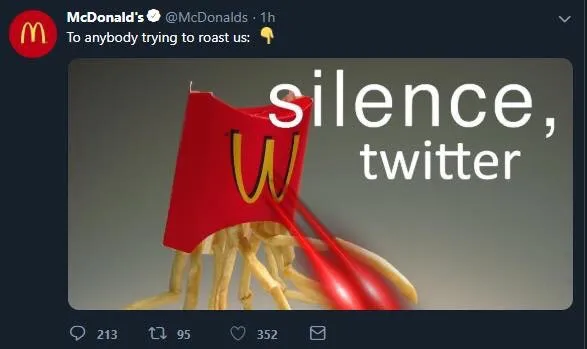
Memers usually know when businesses are trying to cash in. In the past, businesses that tried (and failed) to make memes were mocked for it, which is how memes like “Silence, Brand” were born. Commodifying memes isn’t welcome, and internet communities have sharp knives.
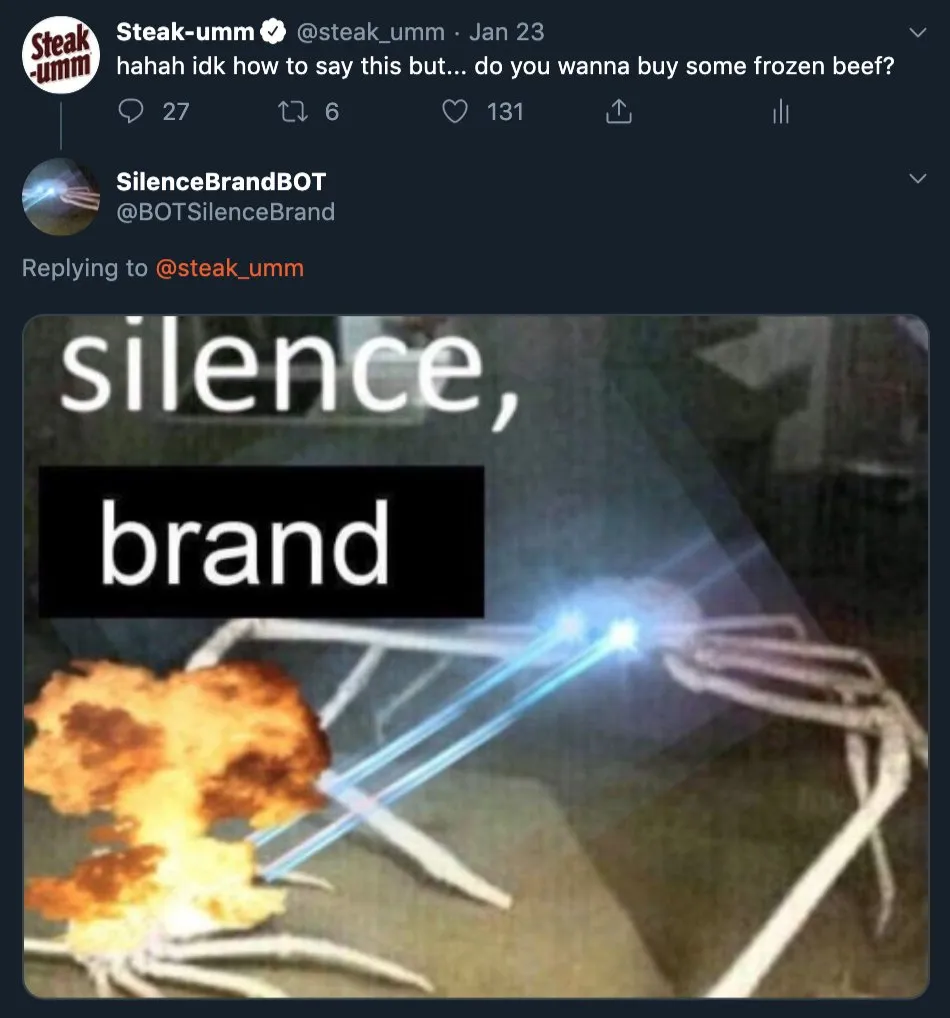
On the other hand, people who don’t follow memes closely (most people) see these posts as jokes, not as commodification. That makes them either find it funny or react against it.
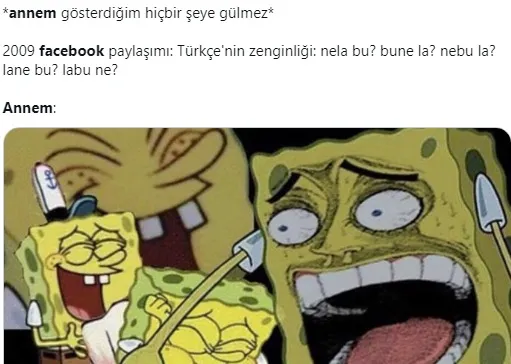
In the example below, a user trying to make a meme about their Facebook-using mum being ten years behind doesn’t realise their own meme is five years behind. Don’t be this user!
Of course, if you get a backlash, you need to know when to stop. You can post an apology straight away, or reply cleverly in your audience’s language, like McDonald’s did.
3. They have alternatives
When some memes die, alternatives appear. Some memes even live on inside other memes.
4. They can be multi-layered
Memes sometimes build on past memes until they become multi-layered, containing dozens of memes at once. That makes them almost impossible to understand for anyone outside the inside joke, which can lead to misunderstandings.
5. They can contain symbolism
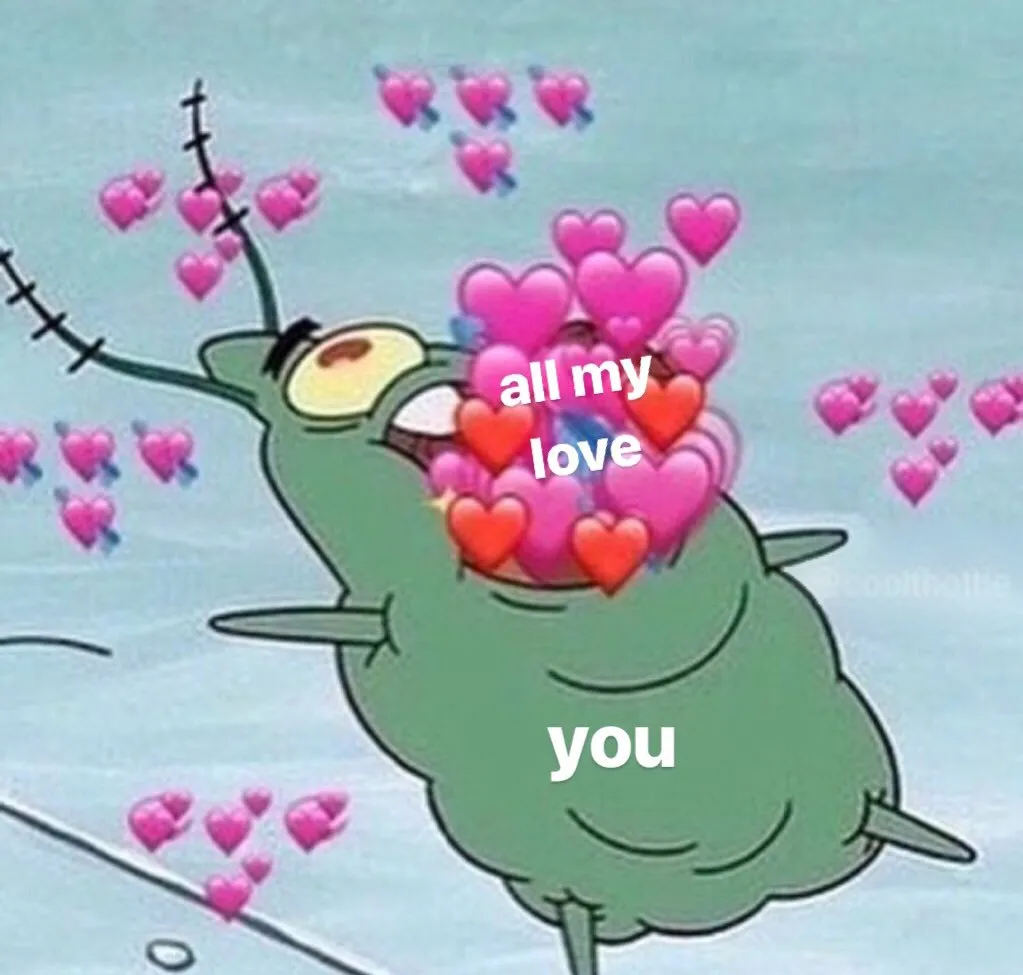
Some memes have been banned in Europe for being offensive. Some contain political or historical symbolism without making it obvious. Of course, not all symbolism is bad. Some memes carry symbolism for good, like “wholesome memes”: memes focused on making people feel good, the kind you send to people you love.
6. They may not mean anything
Some memes carry no meaning and no specific joke, but they still make people laugh and spread fast. As in my first definition, they may hold an inside joke, in which case they spread because of the meaning people give them. Being meaningless can be a meaning in itself.
7. They can spread very fast
Memes can spread organically very fast and reach hundreds of thousands of people without you spending anything. And they spread across platforms. Many memes first appear on forums like Reddit or 4chan, then get shared on microblogging sites like X or Tumblr, where they grow as people add to them. From there, they trickle down the social media chain to Instagram and Facebook.
8. They’re not reportable
The business world wants every move to make logical sense. If you take a risk and fail, you get fired or crushed. If you come with spreadsheets and fail, it’s not your fault, it’s the numbers. Memes don’t have predictable results, and the chance of failure is very high. You can report how much engagement a meme got, but you can’t measure the change that engagement creates in numbers. Sadly, there’s no logical answer to “why should we use memes in marketing?” But if you only make logical decisions in marketing, you’ll never stand out.
Successful examples
Instead of talking about your content directly, you can target people who are already interested in it and create content only they will understand. “Logically”, this should get less engagement, right? But as I said under “they’re not reportable”, working logically in marketing means doing what’s predictable. To get ahead, you have to do the unpredictable. Content that “not everyone gets” creates curiosity, gets shared more and draws more attention.
Rory Sutherland, vice chairman of Ogilvy UK and an expert in consumer behaviour, puts it this way:
Irrational people are more powerful than rational people, because their threats are more convincing.
Netflix is one of the businesses that uses memes most effectively. It runs its X account almost like a meme account.
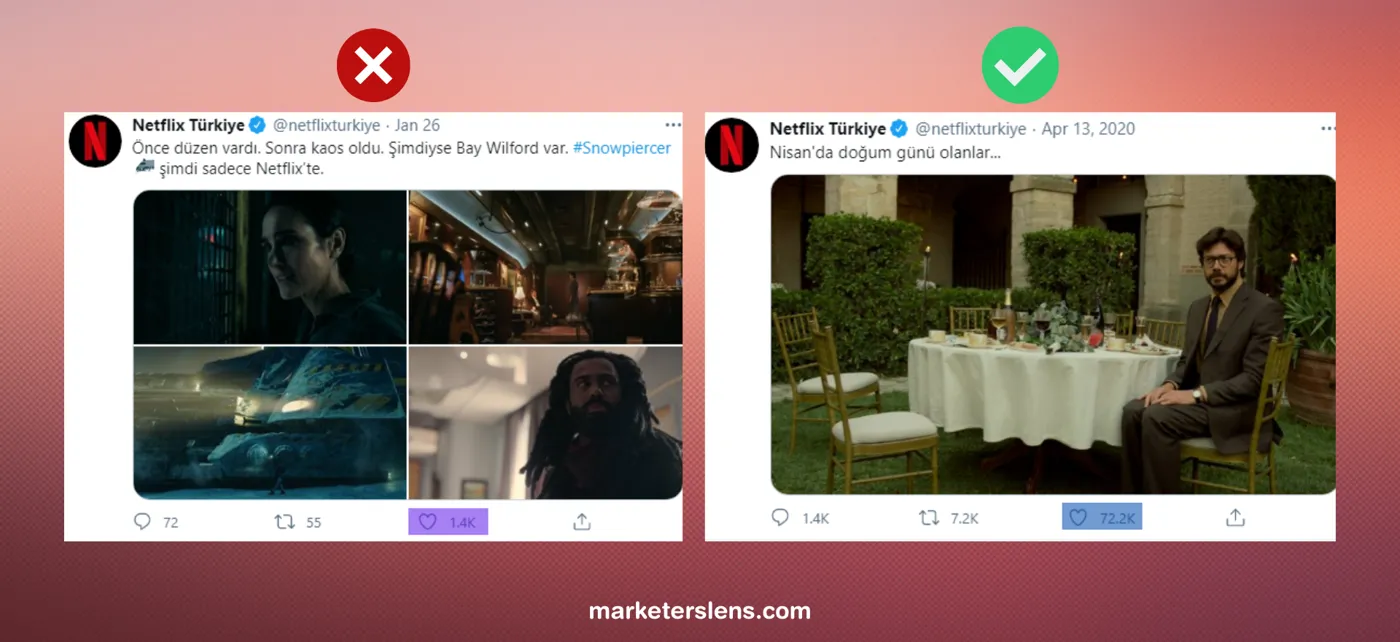
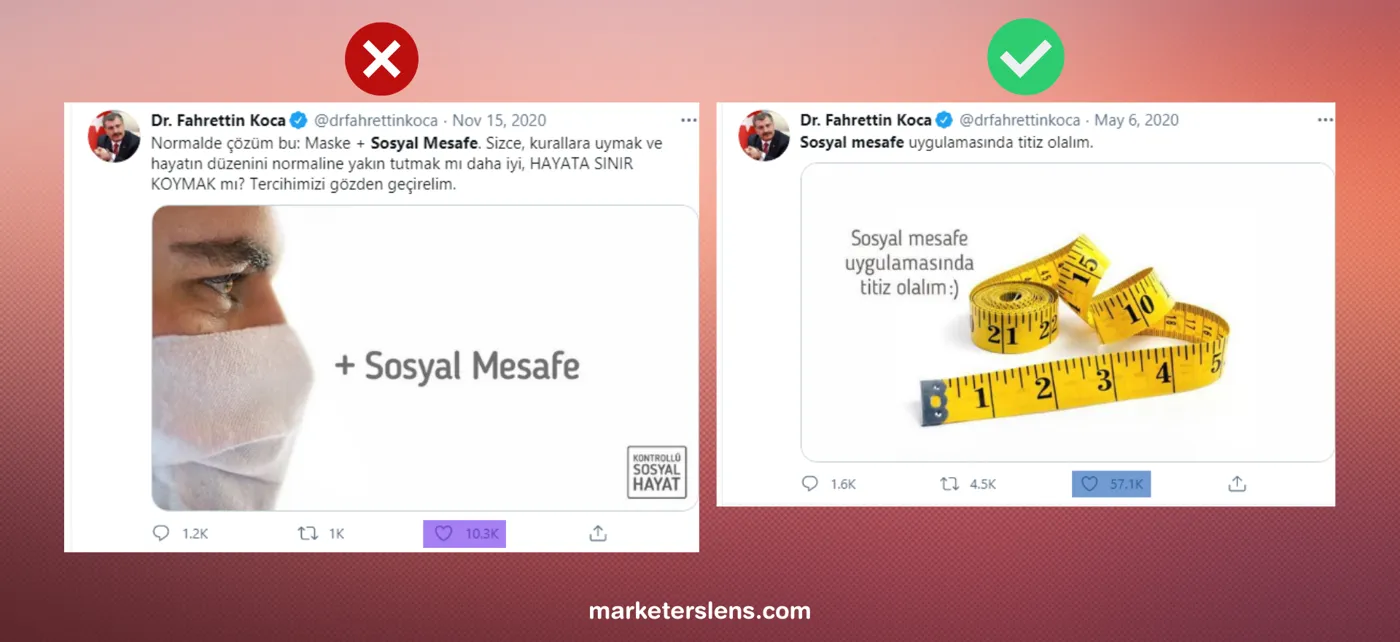
Netflix isn’t the only one using this strategy. Turkey’s Minister of Health used a meme (one he technically created himself) when communicating about social distancing. You can compare the engagement numbers to see the results.
The biggest recent example was definitely KFC’s move. KFC got hundreds of thousands of interactions with a Doge chasing McDonald’s and Burger King with a stick. The content might be a joke, but the numbers definitely aren’t.
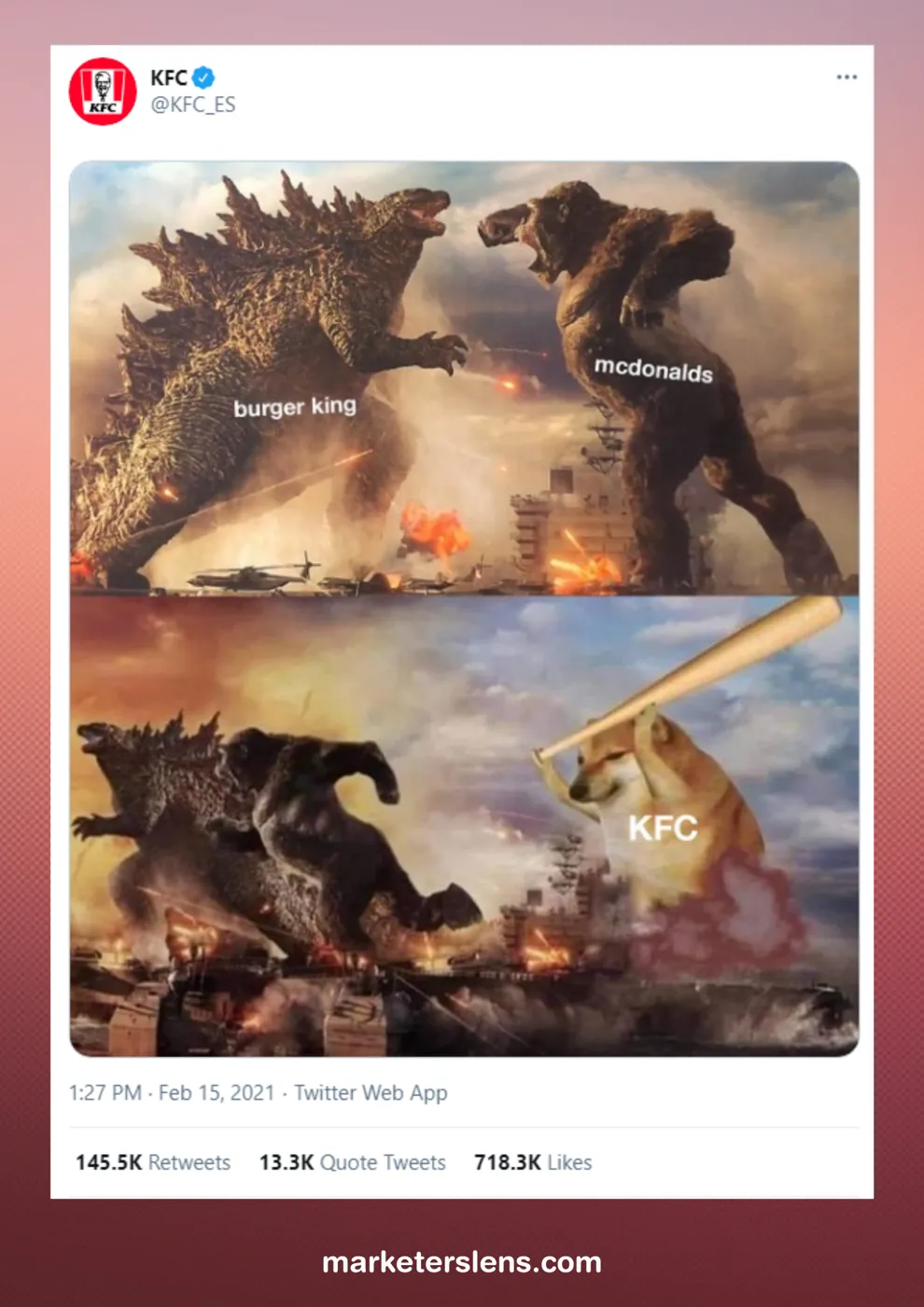
Godzilla vs Kong was a film everyone wanted to see in cinemas, and as vaccines started rolling out that year, a huge marketing campaign kicked off. People were so hyped that they said they’d go to the cinema for this film even if they couldn’t get vaccinated. Of course, other brands rode that hype too.
Some markets require you not to be afraid of engaging with your competitors. In some markets, businesses even compare themselves with competitors on their own websites. That transparency builds trust with consumers and loyalty to the brand.
Because memes mostly speak to young people, they can get a backlash from older audiences. Here’s one reaction when a Turkish marketing page shared the KFC visual:
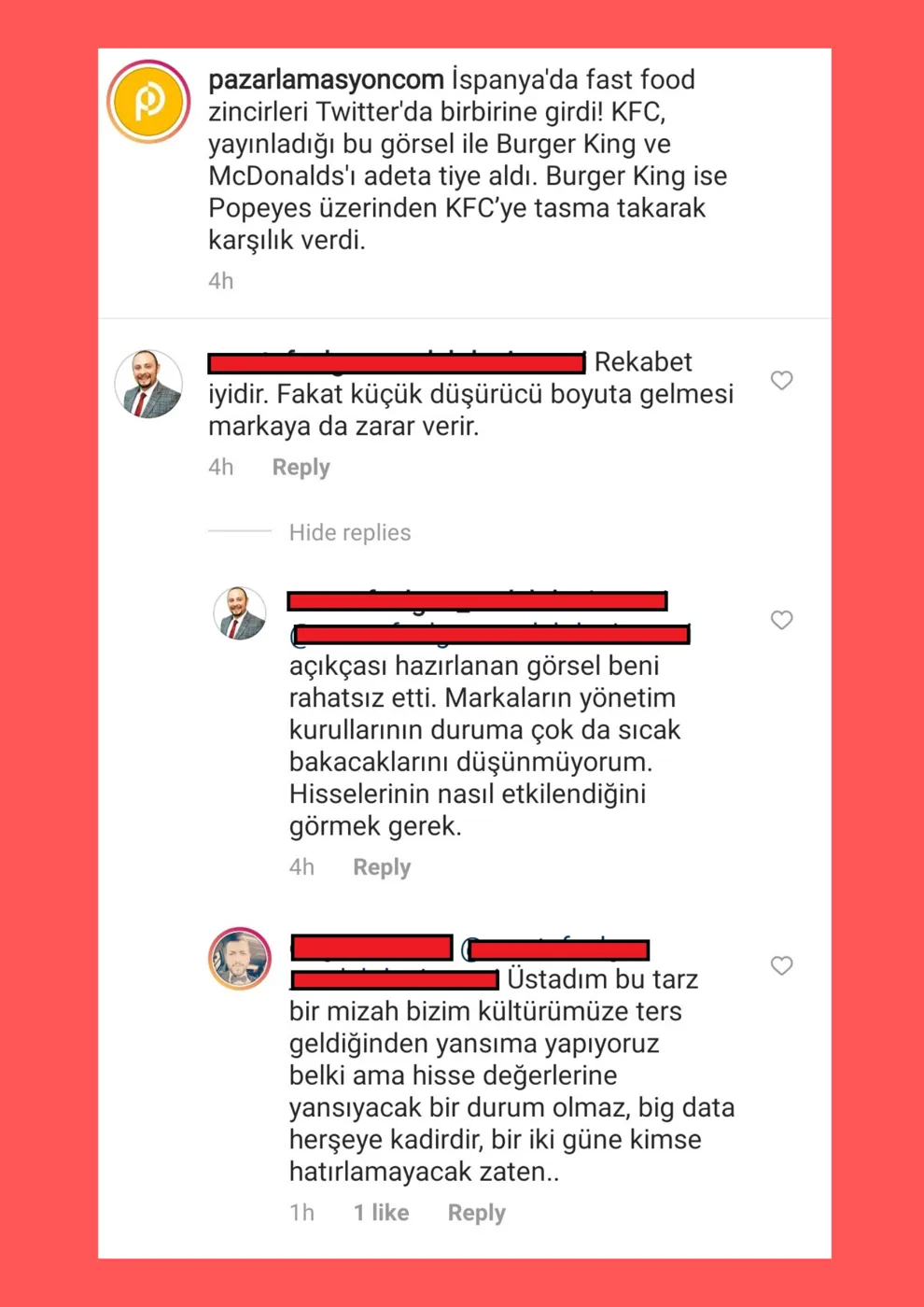
Someone far from this culture will naturally struggle to understand the mockery and irony here. That’s why the basis of deciding whether to use memes in your content strategy is how well you know your audience.
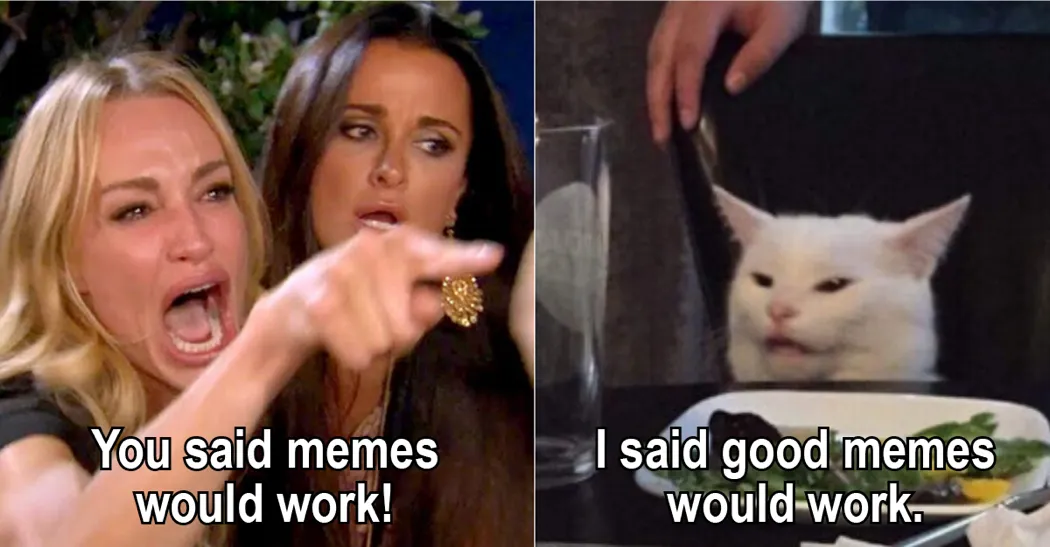
As a disclaimer, I’d like to share this meme.
You read all the way here? Wow, thank you.