How to Be a Pirate: The Only Guide You Need
Before you wonder what this title has to do with marketing and close the page, wait a second, because I promise this post is about marketing. At least when you look at it through a marketer’s lens. Let’s go back to the 17th century and talk about pirates.
Contents
- What is a pirate?
- Pirates and the Empire
- The power of pirates
- What to do when you see a pirate ship
- So you want to be a pirate? Read carefully
- The voyage contract
- Pay
- Profitability
What is a pirate?
Before we answer that, let’s think about another question: what is a business?
The most common definition: a type of organisation set up for profit and sustainability, which deals with financing, securing the means of production, marketing the goods and services it produces, organising and managing itself, and tracking its finances.
So what is piracy? It might surprise you, but piracy is a type of illegal organisation set up for profit and sustainability, which deals with financing, securing the means of production, marketing the goods and services it produces, organising and managing itself, and tracking its finances.
You might have guessed the definitions would be similar, but isn’t it surprising that they’re identical?
Finance, marketing, means of production, what do these have to do with pirates? Aren’t pirates just a band of outlaws terrorising the seas? Yes, they are, but they’re more systematic than you’d think, and they exist as a natural result of a gap in the market. The literature even has a name for it: “the invisible hook”.
We said they’re systematic. Pirate ships have several functions, and two leadership roles make sure those functions get done: the captain and the quartermaster. I’ll unpack both later in the post.
Pirates still exist today and still terrorise the open seas. They can produce various “products” and offer them to their customers at sea. The key difference between piracy and a normal business is the customer’s freedom of demand. Nobody wants what pirates are selling, so customers have to be forced to buy. So how do pirates do it?
Pirates and the Empire
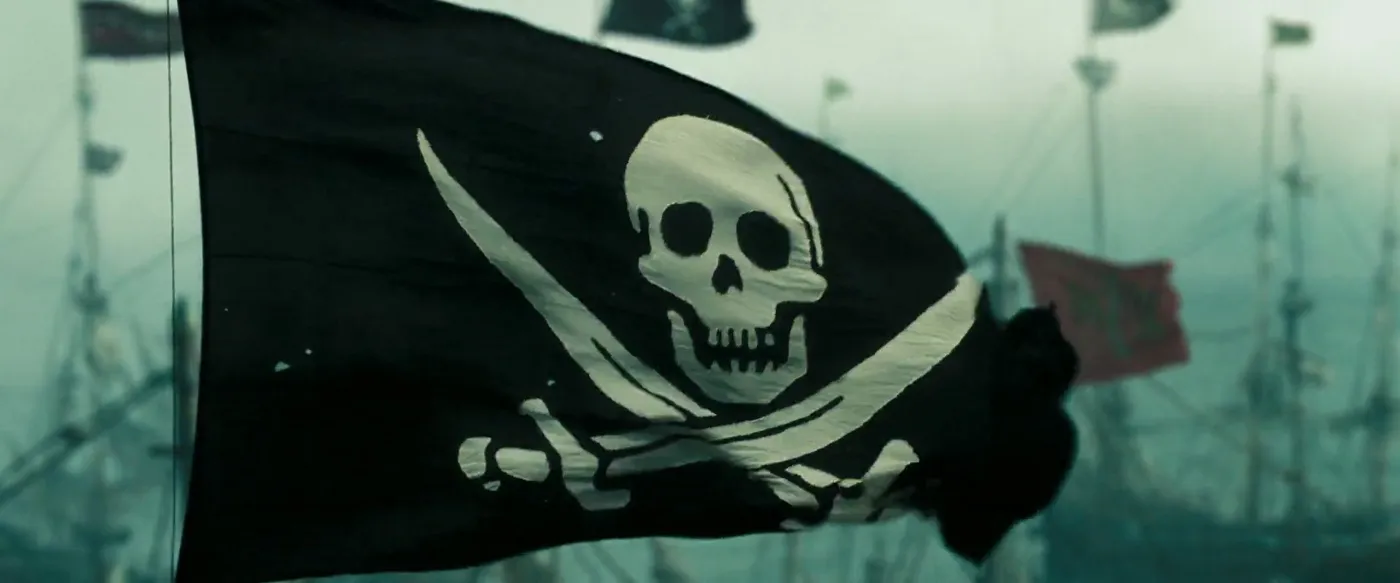
Pirates have powerful branding that spreads by word of mouth. The logo looks familiar, doesn’t it? It’s called the Jolly Roger. You won’t usually see this flag on the open sea, because pirates don’t normally sail under it. They fly the flag of a friendlier-looking country and hide their guns under camouflage covers that make them hard to spot among the waves. The flag only goes up when an imperial ship is about to be threatened, and its meaning is very powerful.
Think of imperial ships as merchant ships tied to a country. Their job is simple: pick up cargo in one place and take it somewhere else. The crew earn a low, fixed wage, and most of them do the work because they have to. The captain answers directly to the empire or some authority, and is well paid. The ship belongs to that authority, which covers the costs and books most of the revenue as profit. The job of the captain and the other officers is to make sure the work is done right, deadlines are met, and the law of the land applies at sea too. In other words, at sea, the captain is the legislature, the executive and the judiciary.
The power of pirates
Being a pirate is all about branding. Branding brings in the treasure. The Jolly Roger, that white skull and bones on a black background, is its main symbol. You might ask: isn’t it stupid to wave a flag that says “we’re thieving pirates”? No. The flag makes the pirates’ job easier. Pirates want the treasure, and the owners want to protect it. Attacking directly would be hard work and expensive, not to mention the needless loss of crew. Pirates want the treasure for free, without working for it, and this is where branding comes in. Once that flag goes up, the crew of the treasure ship have very few options.
Things can get a bit ugly from here, because we’re talking about real pirate history. If you don’t want to hear what pirates actually did, I’d suggest you stop reading here.
What to do when you see a pirate ship
Running is never smart, because pirate ships are built to be fast and agile, while yours is slow and full of cargo. You probably don’t have the equipment to get away. If you do escape, congratulations: you’re alive for another day and your employer keeps making a profit.
If you don’t run, you have a few options.
You can’t fight pirate ships, because your crew are unmotivated people on low pay. On top of that, your crew is about a tenth the size of the pirates’, and for every gun you have, they have four. And if you’re crazy enough to fight and lose, don’t expect mercy. The pirate flag is no joke, and at the end of the day pirates have a reputation to protect. If you fight, you’ll very likely be tortured and killed.
Say the captain orders you to fight, but wait a second… The captain is cruel and probably treats you badly. If you, as the crew, let the pirates board safely and show them the treasure, the only person punished and killed will be the captain. The pirates bring a brutal kind of justice to the deck and get rewarded for it.
You can try to hide the treasure, but then, unfortunately, torture awaits. The crew are killed one by one until someone confesses, and you might make it back to shore missing an arm so you can tell the story. We already talked about the power of word of mouth.
That leaves surrender. If you surrender and meet the pirates’ demands, you can go home safely.
Let’s map these options and look at them again. What should you do when you see the Jolly Roger?
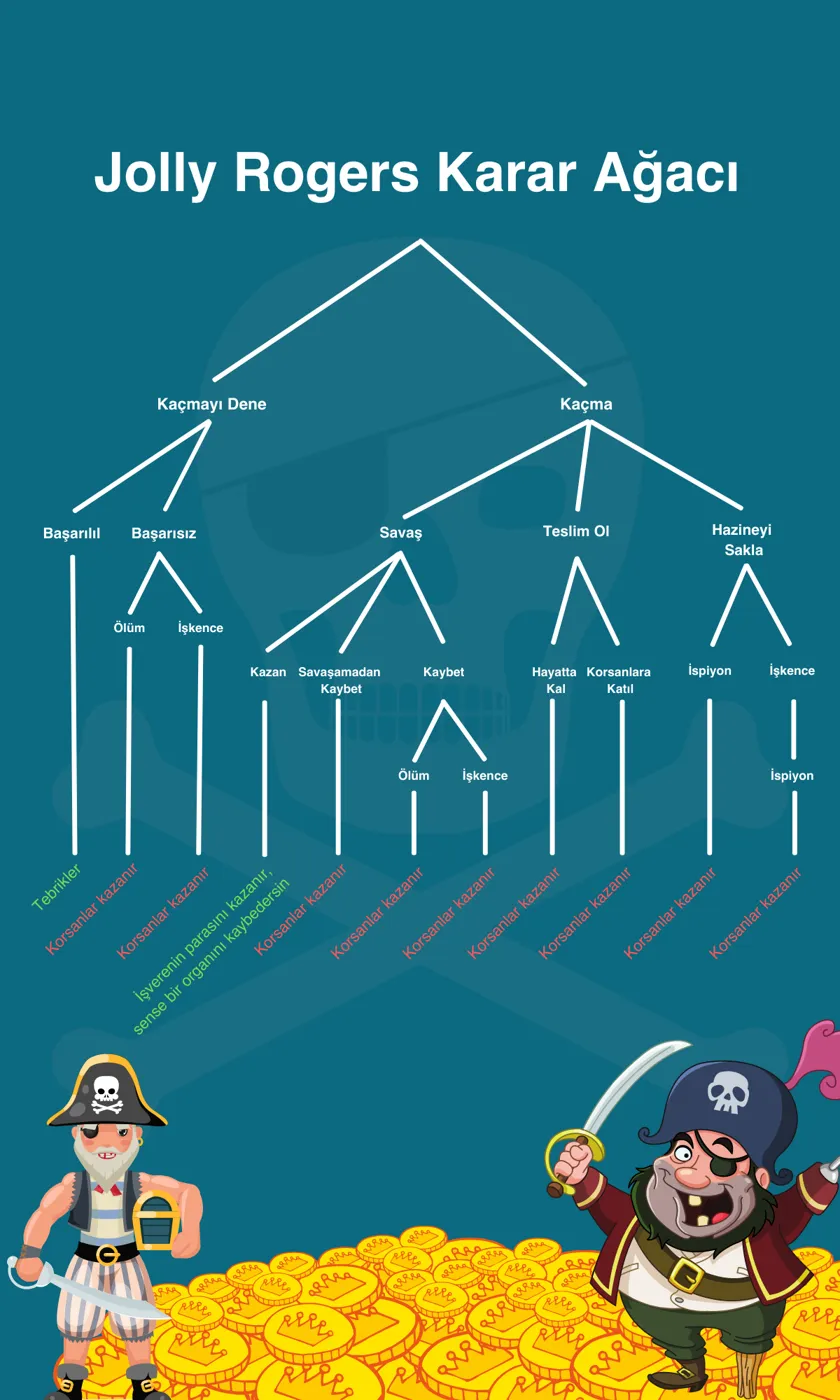
The Jolly Roger is a logo that explains your options before anything happens, and nudges you towards doing the sensible thing.
So you want to be a pirate? Read carefully
If you want to be a pirate, first understand that it’s a business model. Without one, you can’t have a crew, a ship or a brand. Piracy works like any other business. You have a product or service, you sell it to customers for something of value, then you spend that money on equipment and staff to build bigger products or services and reach more customers.
As we said, the key difference with piracy is that customer demand is created by force. If pirates don’t provide this “service”, a gap opens in the market and rivals appear to fill it.
Business 101 says that revenue minus costs equals profit. Piracy has revenue and costs too, and it needs profit to be sustainable. Other people’s treasure is the revenue. Costs go on staff and equipment.
Revenue has a ceiling, because there are only so many customers at sea, and if you dominate the market too much, you shrink it. So the most important way to increase profit is to cut costs. Cutting costs means spending as little as possible on crew and ships, and that’s where branding comes in.
The voyage contract
A brand can’t be built without contracts and accounts. So before setting sail, pirates draw up a “voyage contract”. A focus group of crew members share their input and agree on everything in writing. The rules cover things like how votes work, how the ship is run, how profit is split and how the crew is insured. This contract is what makes each pirate crew different from the others. Two officers are elected: the captain and the quartermaster. The captain isn’t the boss: they lead the crew and keep them happy. If the crew are unhappy with the captain’s strategic decisions, they can replace the captain by majority vote. The only exception is battle. In battle, the captain’s word is final and can’t be overturned, even by a majority.
We said the captain isn’t the boss, but we still need one. That job falls to the quartermaster. The quartermaster keeps track of the inventory, the crew, the deck and the terms of the contract, and decides the punishment when rules are broken. In short, the quartermaster is responsible for everything that makes the ship profitable.
Pay
On a pirate ship, pay is shared equally among the crew. The captain and quartermaster get twice what a sailor gets, and the doctor and carpenter get one and a half times. As we said, on imperial ships you get the minimum wage, while the captain earns dozens of times your pay.
On a pirate ship, everyone is united around the same goal, and the ship’s profitability matters equally to everyone.
Of course, this doesn’t mean pirates are better than the empire. It’s simply a natural result of the political structure. On imperial ships, neither the crew nor the captain own the ship or its cargo. The captain has to be rewarded generously to make sure they stay loyal to the empire. The crew come from the lower classes, sometimes even criminals, and they know that if they desert, the empire’s wrath will follow them.
On a pirate ship, the crew have specific skill sets and have weighed the risks of joining a pirate venture. And if a pirate doesn’t trust the crew or the contract, they’re free to leave the ship at any port. There’s no pirate authority that will come after them to deliver justice.
Profitability
In the end, a pirate works for themselves and earns profit for themselves. The only obstacle to profit is costs growing too big. Without profit, there’s no ship and no crew. Ship costs have two main items: repairing the ship, and repairing the people…
For ship repairs, supply and demand work against pirates, because they can’t go to an imperial port. So they buy these services at specific ports where pirates are welcome. Getting there has extra logistics costs, and the service itself is more expensive than at any imperial port. That’s why pirates prefer not to fight, to stay profitable.
As for repairing people, it’s almost certain the crew will be wounded, lose limbs and be maimed. Who and when is a lottery. So the voyage contract includes a kind of workplace injury insurance, and crew medical costs are booked as an expense of the ship.
Revenue - (crew costs + repairs + equipment and supplies) = profit
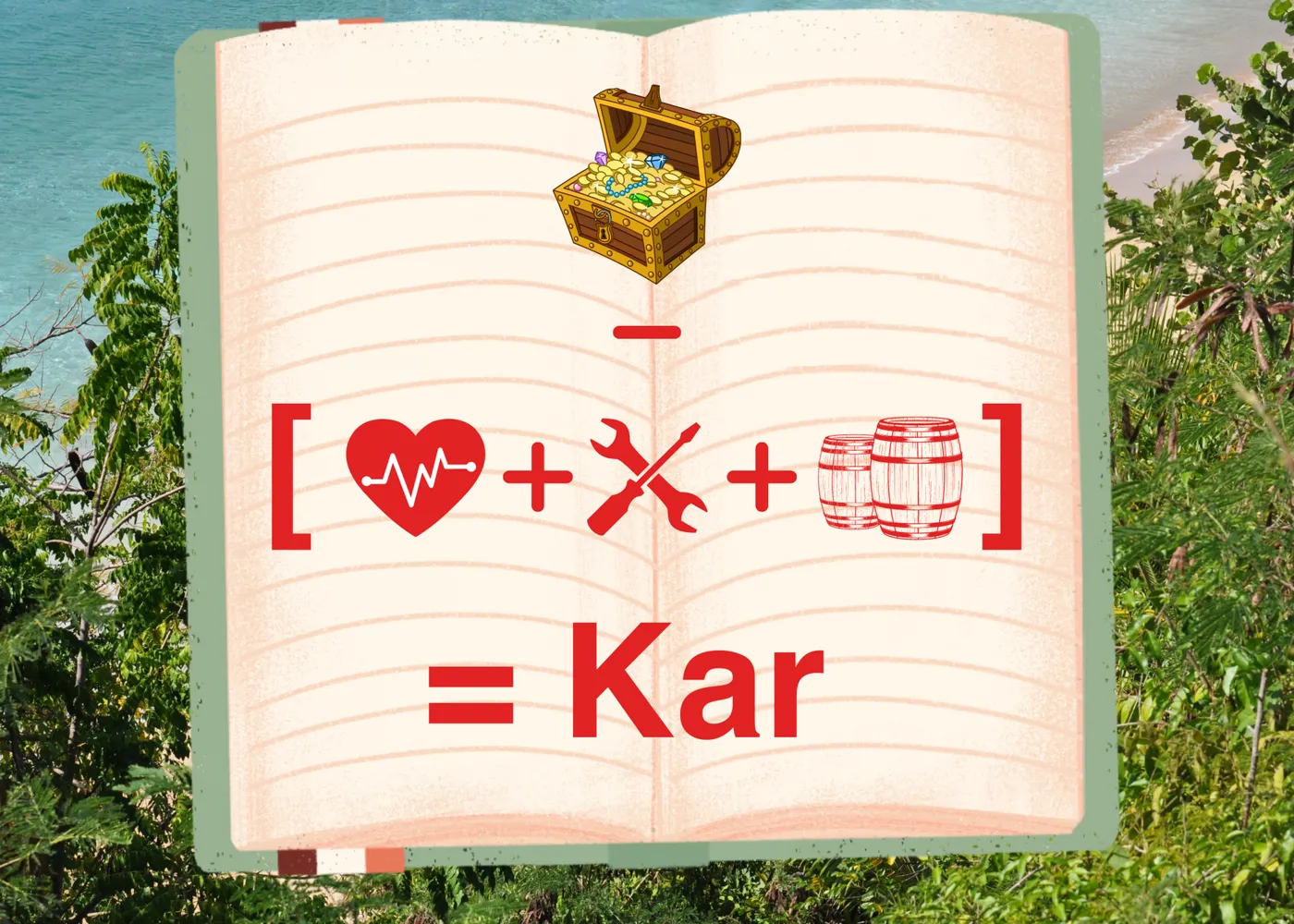
With this formula, one successful voyage as a pirate earns you more than years of working for the empire.
So, what do you say? Ready to be a pirate?
If this topic caught your interest, read The Invisible Hook: The Hidden Economics of Pirates for more.
Even though I’ve talked about pirates like a business in this post, piracy has been a terrible, dark business model for centuries, and pirates still operate today. To finish, I want to share a story from a friend who works on international ships.
He told me they once came across a pirate ship off the Mediterranean coast and let the pirates board without any trouble. The pirates wanted cash, and in return they “provided a service”: sex workers. Whether or not the sailors used that service, the pirates took their payment and went on their way.
Sadly, pirates are still a reality in the 21st century. And when space travel becomes common in the centuries ahead, I have no doubt we’ll see space pirates too, because, unfortunately, it’s still a profitable business model.